Transparency Triumphs: The Powerful Impact of Honesty when Selling Your Vehicle
Transparency Triumphs: The Powerful Impact of Honesty when Selling Your Vehicle
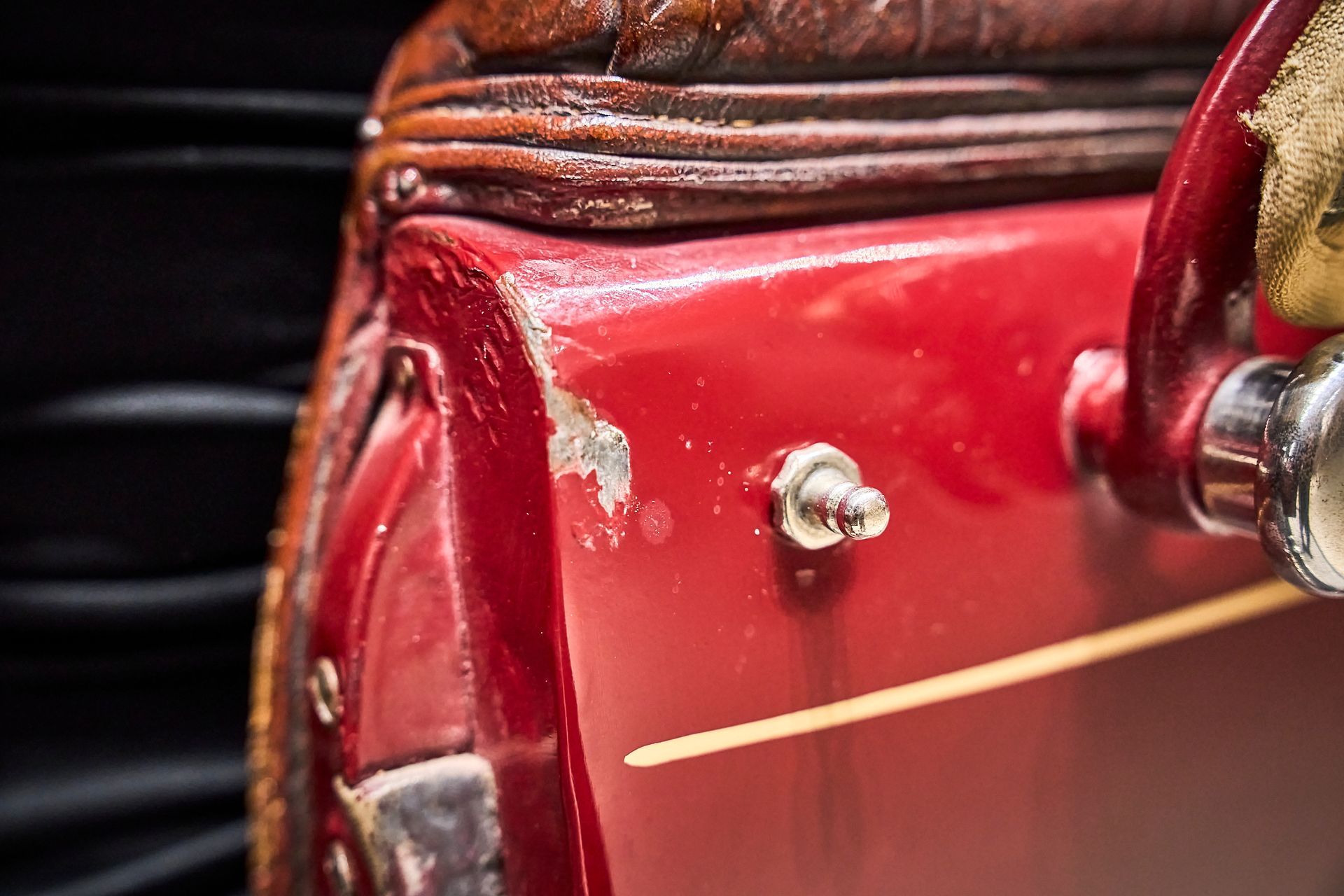
A buyer needs to understand the condition shown in the photographs and how it relates to the written listing. Clear disclosure starts with a specific description, a photograph that shows where the issue is, and supporting records when they exist. Photography cannot establish the facts behind a repair on its own.
Build a visible-condition disclosure list
Before the session, note known scratches, chips, dents, interior wear and other visible issues. Identify each by location rather than using a broad phrase such as “normal wear.” Keep observations separate from explanations you cannot verify. For a repaired area, provide available invoices or records and state what is unknown.
Pair the wide view with the detail
As a hypothetical example, a close-up of a scratch on a bumper does not tell a buyer which corner it is on. Include a wider view of that corner, then a detail image in lighting that makes the mark visible. Describe the same location in the listing. This is an illustration of a useful photo sequence, not a claim about a particular customer vehicle.
Keep the photo set and listing aligned
Check that the photographs show the vehicle as it is being offered. Note when photographs were taken and identify later work or changes. Keep original files and the disclosure notes together. Do not use retouching to remove damage from sales photographs or treat a flattering angle as a substitute for a disclosure image.
Understand the limits
Photographs document visible condition. They do not verify mechanical health, accident history, repair quality or legal disclosure obligations. A buyer may still need records and an independent inspection. Clearer information can help a buyer evaluate the vehicle; it does not guarantee a sale price, a faster sale or freedom from disputes.
Luxe Professional Automotive photographs sale listings and vehicle documentation. Discuss the intended use and known disclosure areas before the session by calling or texting (913) 406-7069.