How Should Collectors Document a Private Collection?
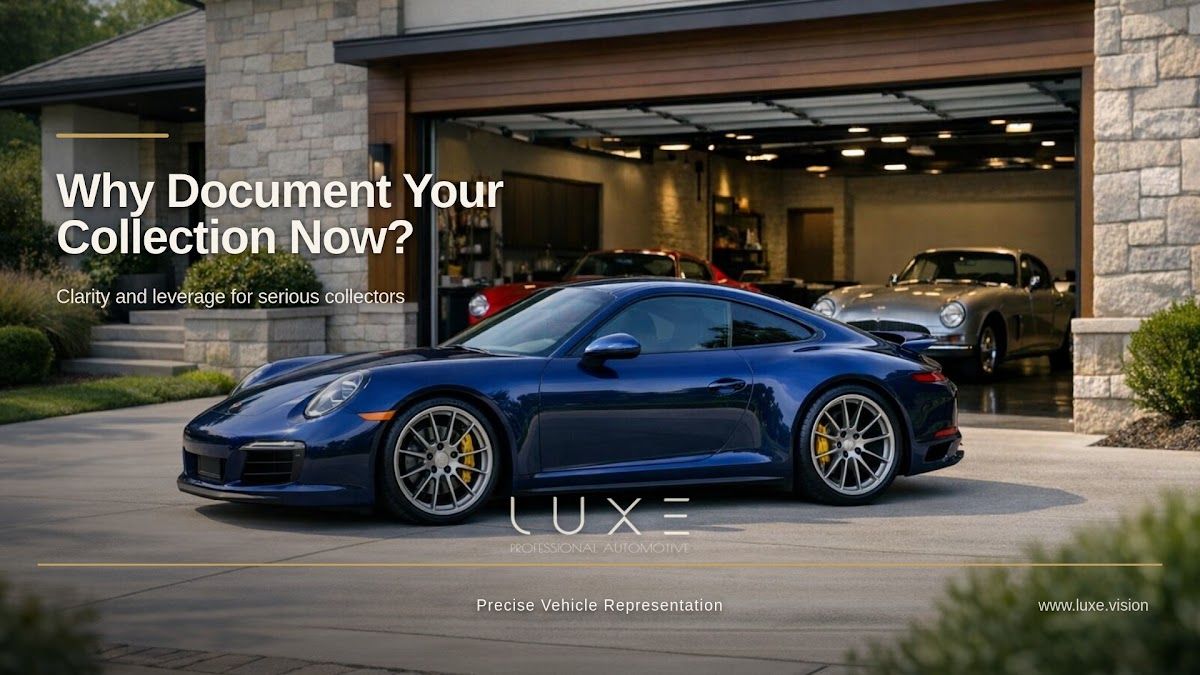
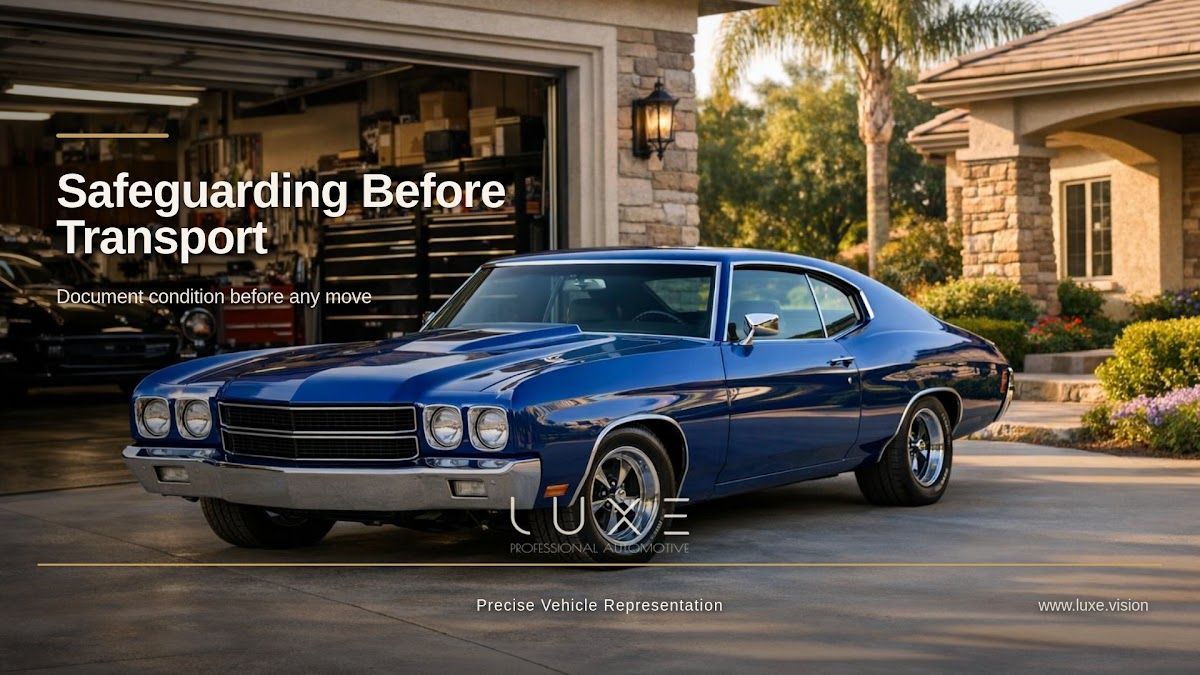
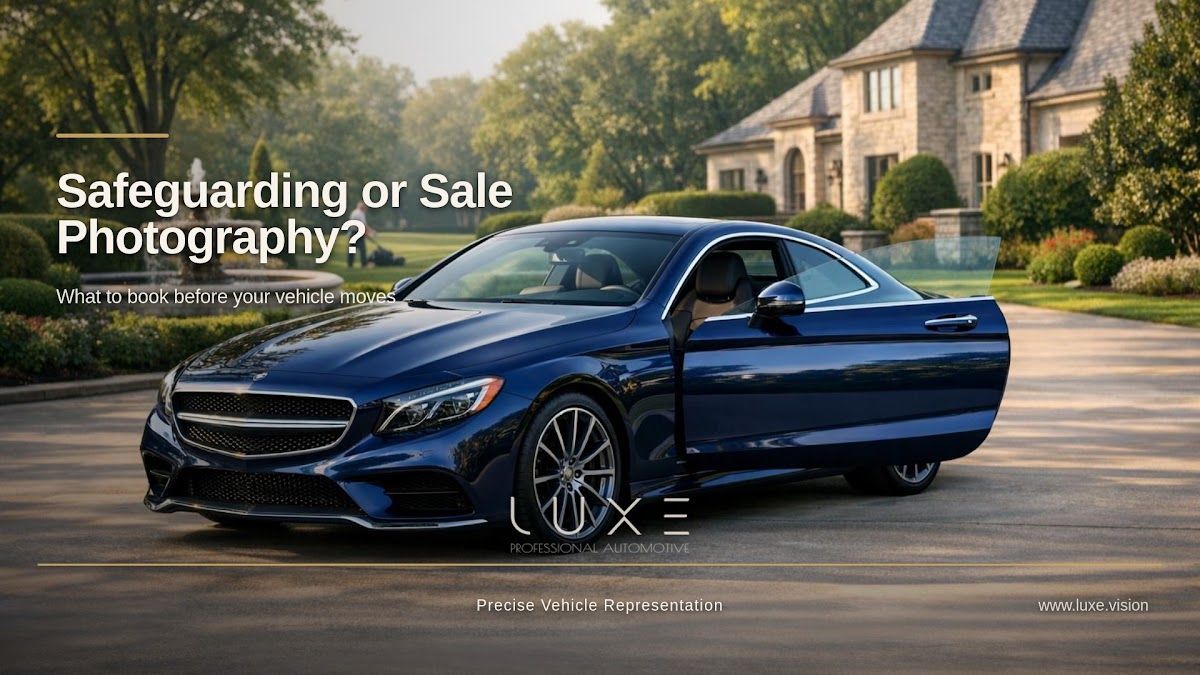
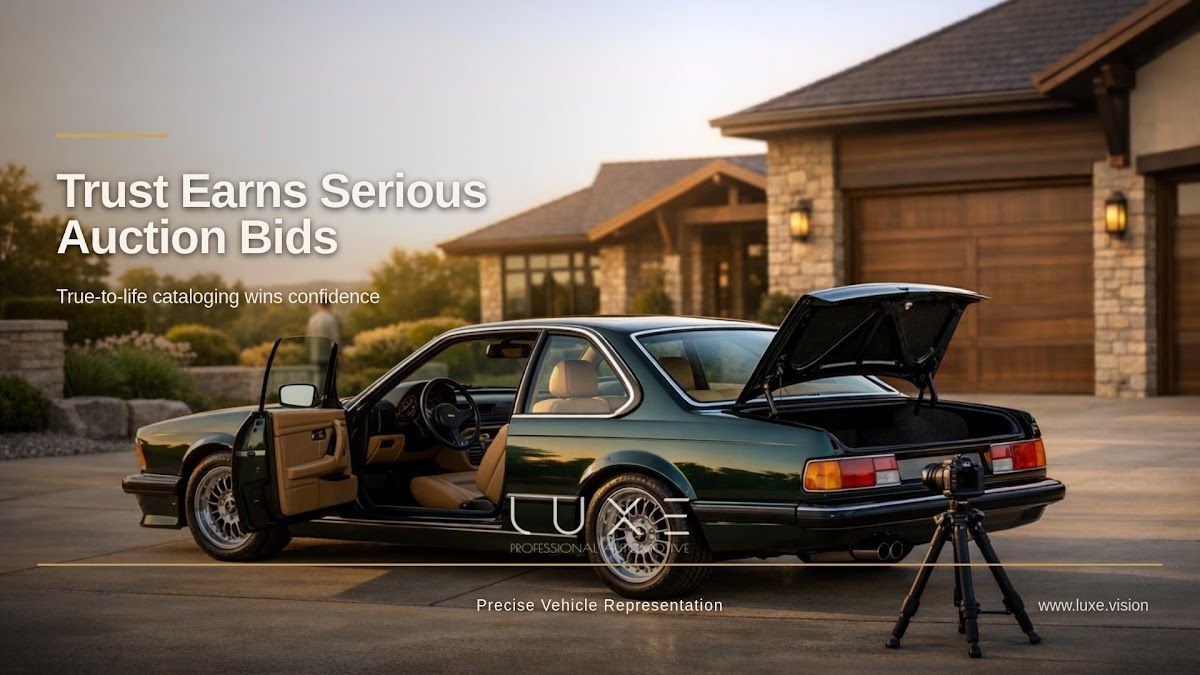
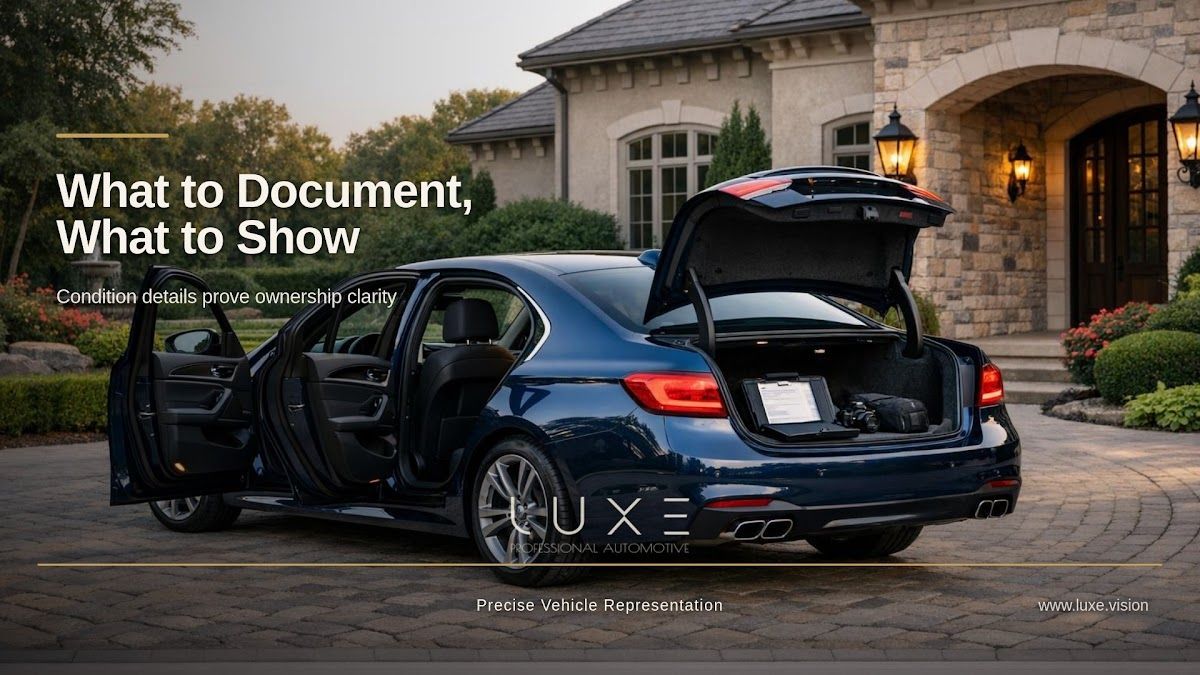
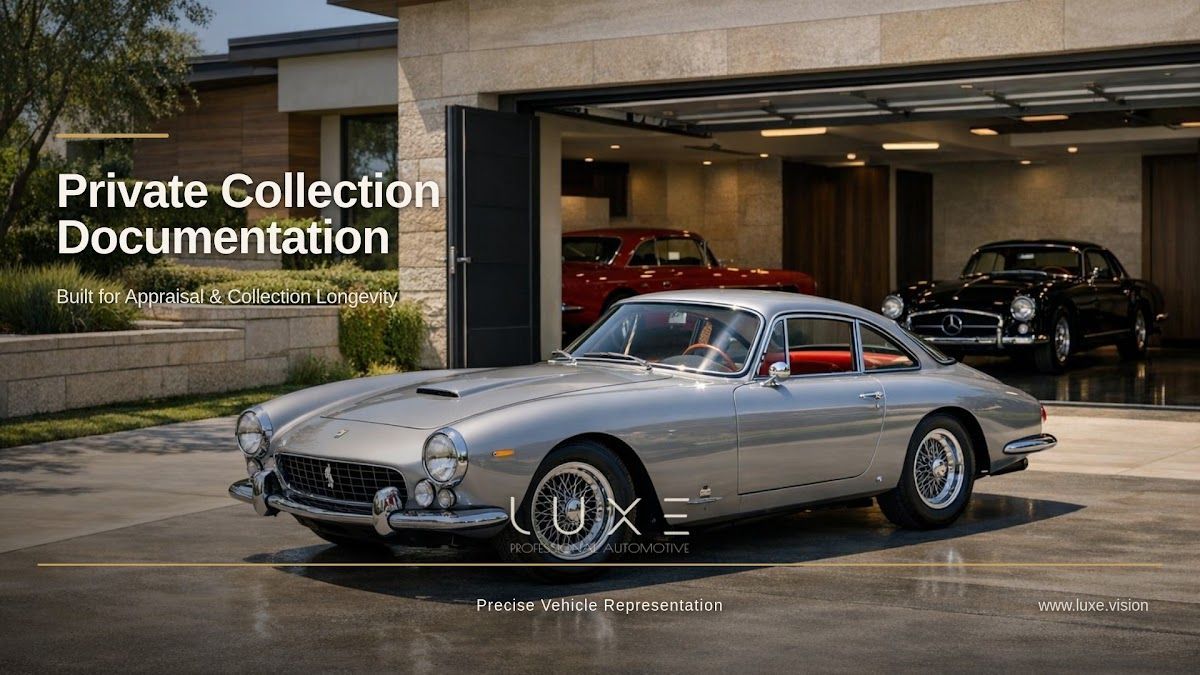
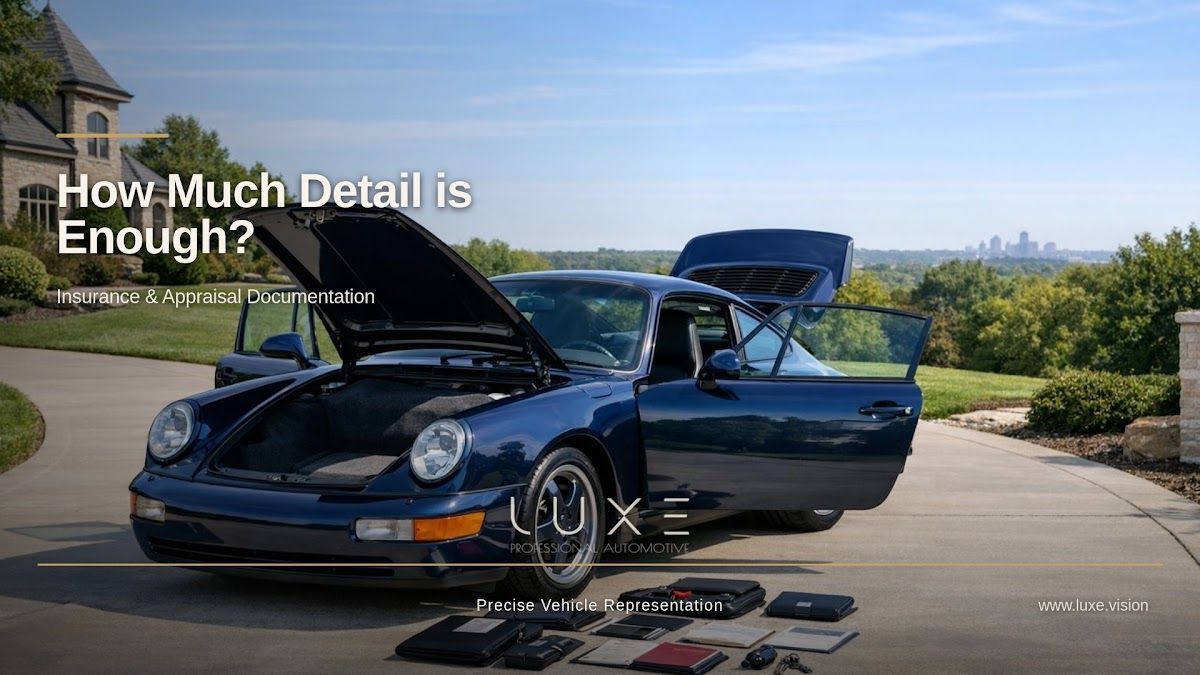
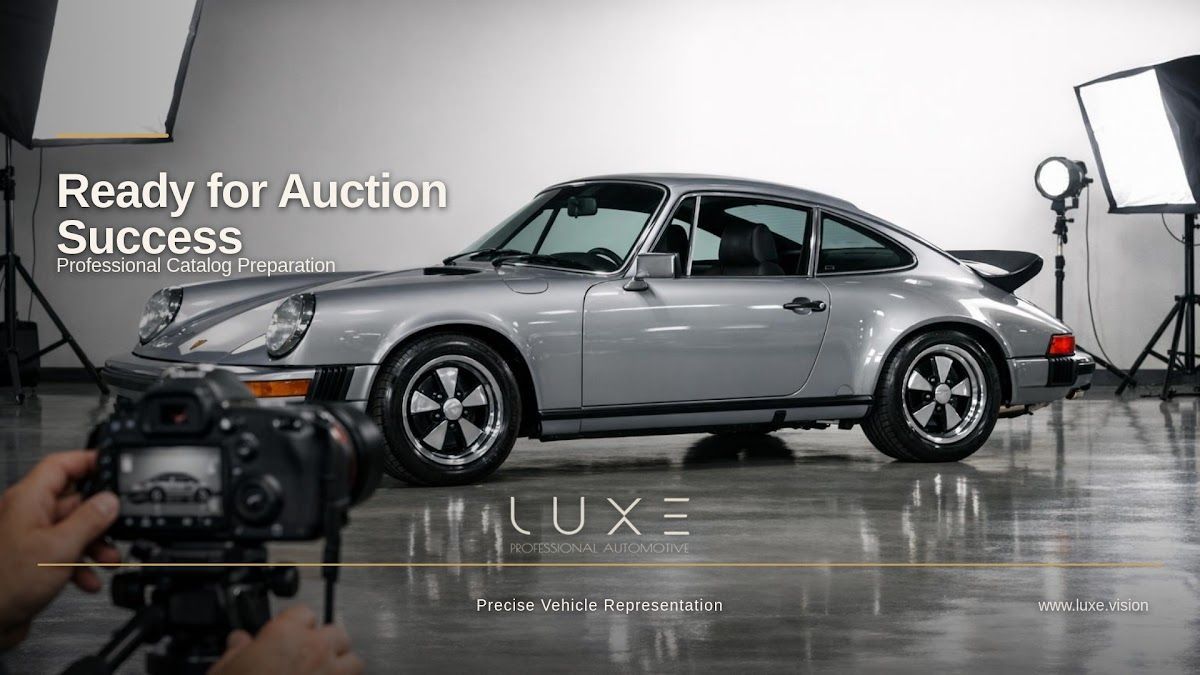
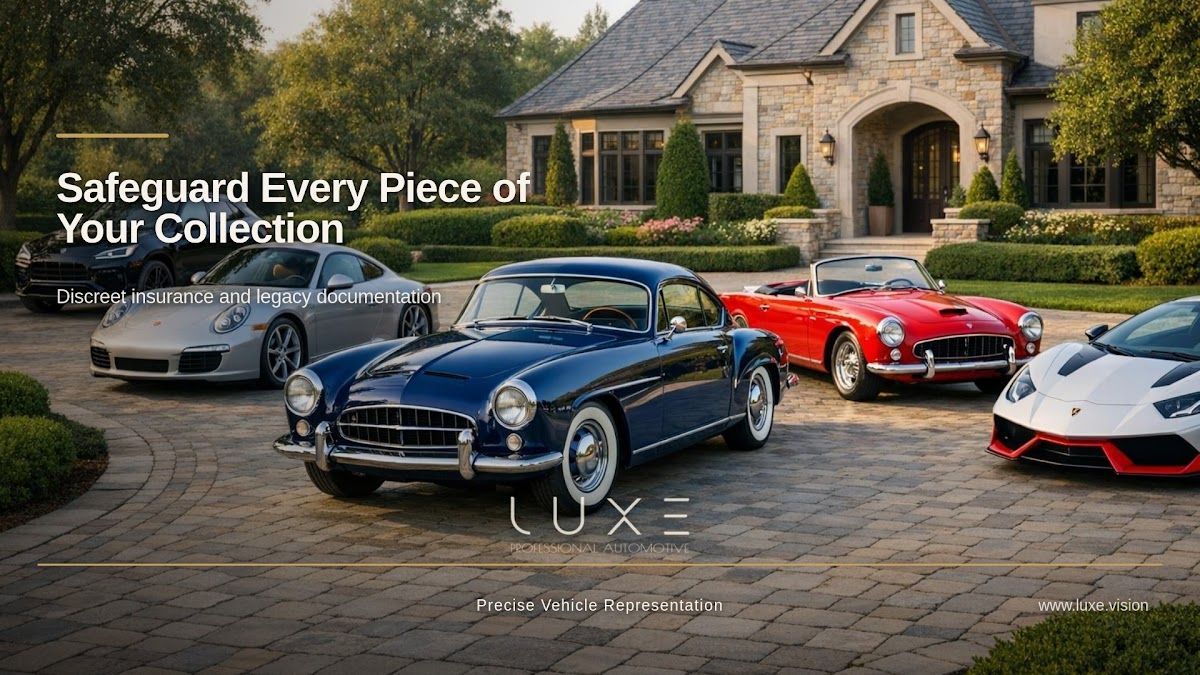
One of the most practical—but often overlooked—questions I get from collectors is: How do I document my collection so that I’m covered for insurance, prepared for an appraisal, and organized if I ever decide to sell? The answer isn’t just “take good photos.” Proper documentation is a layered safeguard. Each vehicle should have a clear, true-to-life photographic record showing all identifying details, condition, options, and key documents. But beyond the car-by-car checklist, a professional collection shoot creates a baseline. It gives insurers, appraisers, and future buyers confidence that every piece is accounted for, nothing is hidden, and value is transparent.
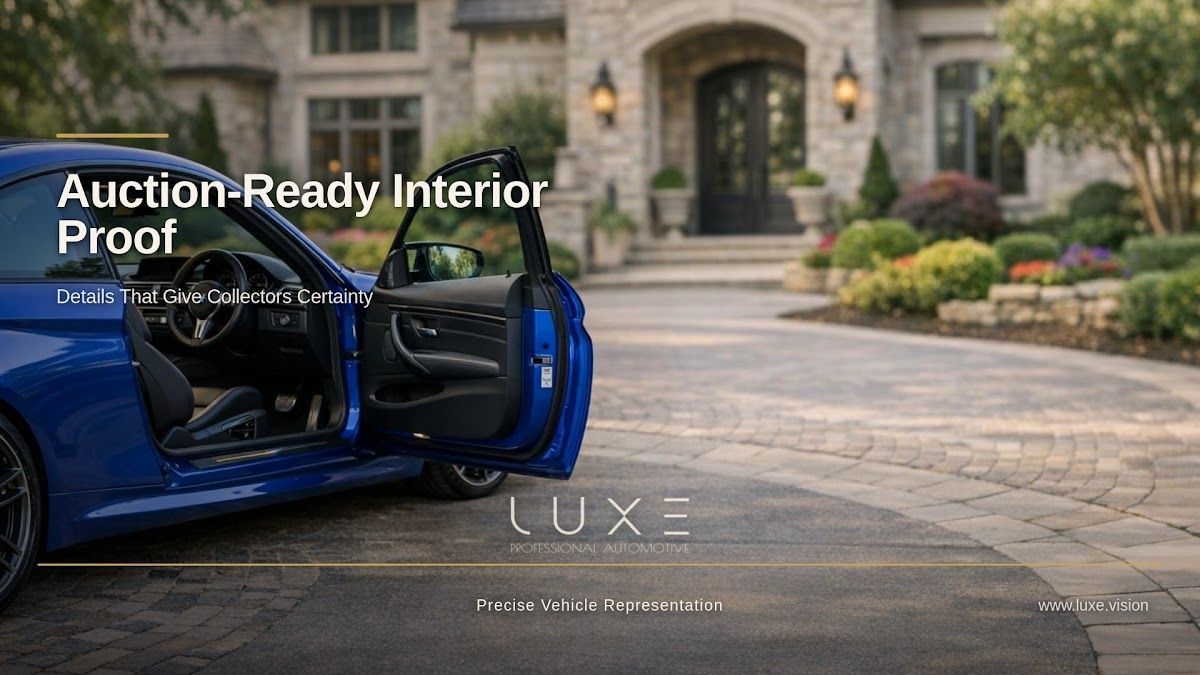
The real difference between cell phone photos and full professional documentation? Granularity, accuracy, and credibility. For example, showing all VIN tags, option codes, and included accessories can be crucial for high-value cars. Capturing both group and individual photos, open panels, underhood shots, and records (while respecting sensitive info) tells the whole story—that matters for insurance, but it’s also what prepares you for a future auction listing or estate transition. And for private collections especially, you want privacy and discretion balanced with detail. That’s what separates a Luxe Professional Automotive session from a casual walkaround—planned, precise, with your goals in mind. For a deeper look at how comprehensive safeguarding works, visit the Private Collection service page.
Collectors, if you want this handled to the same standard you’d expect for your best cars, book the session before you think you’ll need it. I’m always glad to answer the deeper “how do I set this up right?” questions. — Jaikeb Lawrence. Don’t hesitate to reach out for clarity or strategy on serious automotive documentation.