Preparing Classic Cars for Private Collections
One of the most common, and honestly, most critical questions I get from serious collectors is: “What should I make sure is documented before I add a classic or exotic to my private collection?” The answer is always more than just a stack of glamour shots—real value, trust, and future flexibility hinge on what’s proven and what’s defensible, years after the car rolls into your garage.
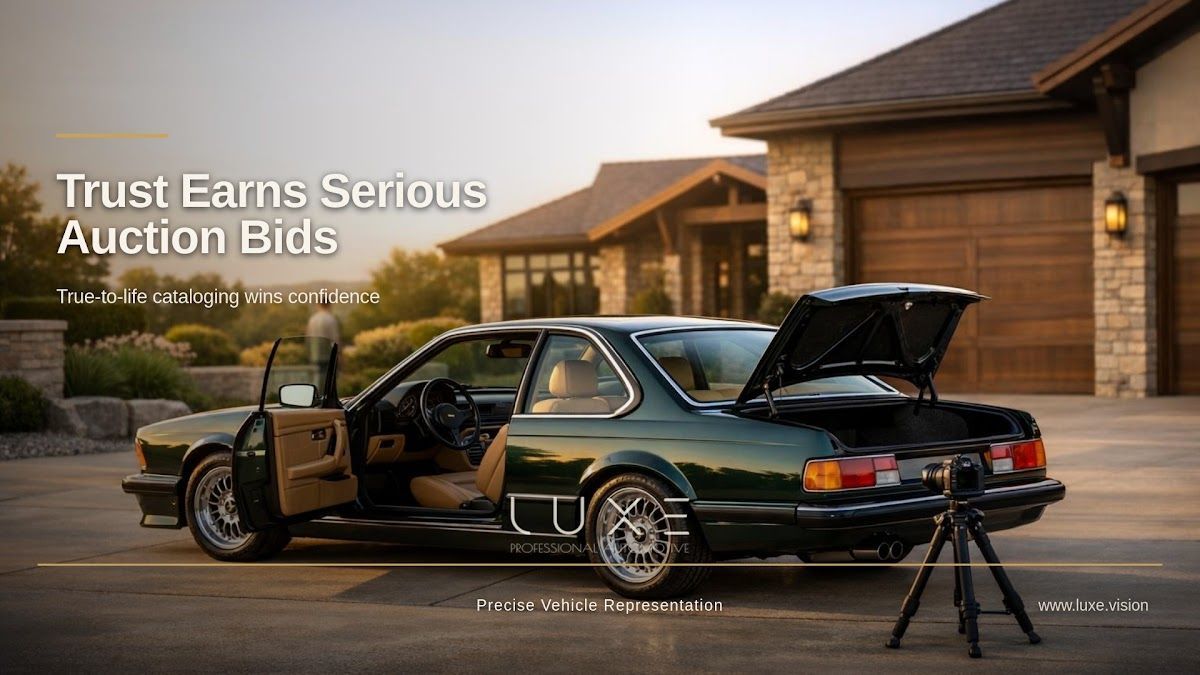
First: You need thorough, timestamped condition photos. Not just the obvious profiles, but interior, underhood, trunk, options, flaws, VINs, and period-correct elements—all the things an appraiser, insurer, or future buyer would double-check. Clarity matters more than perfection. If a car has a history or restoration, show the paperwork, data plates, and any unique features that tell its story.
Second: Document provenance and records. Do you have ownership chains, original manuals, memorabilia, or rare dealer documents? Archive them properly. These aren’t just bragging rights—they anchor value and prevent disputes down the road.
Third: With the Kansas City market seeing more cross-state estate planning and insurance tightening, a documented baseline today protects you in a claim, handoff, or future valuation. Half my consults revolve around what was (or wasn’t) photographed before a sudden loss, sale, or auditing event—no one regrets the extra documentation, ever.
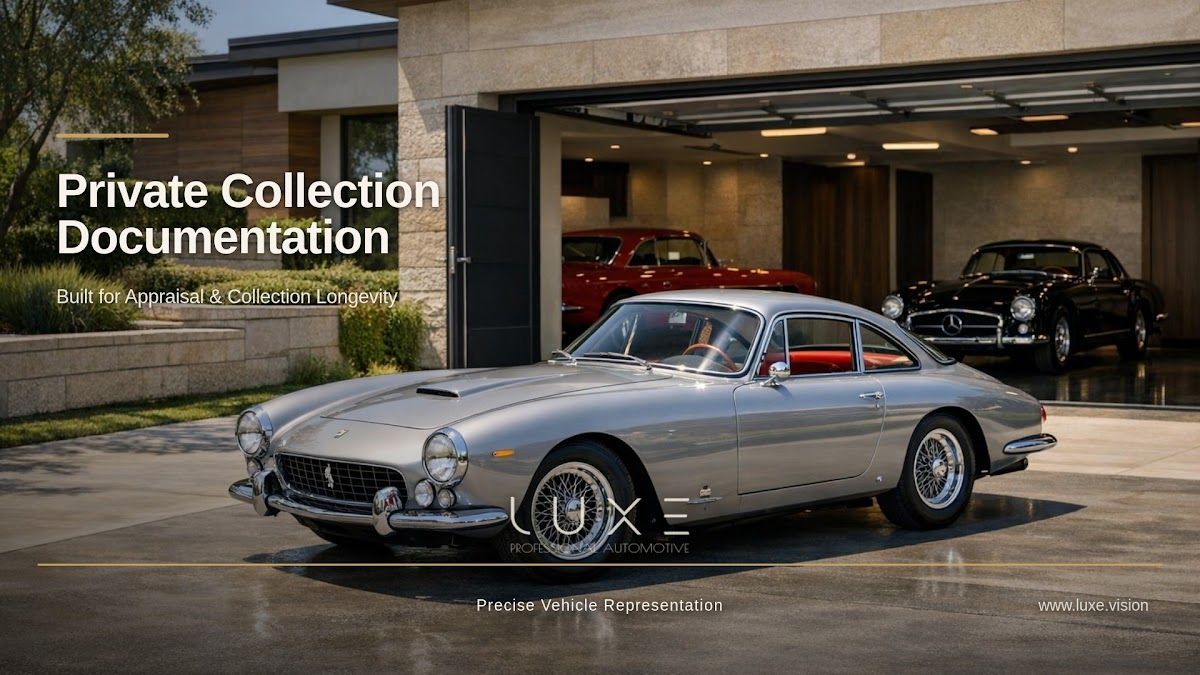
If you’re building or reorganizing a collection, I always recommend starting with the Luxe Private Collection documentation process. The bar is higher than it was five years ago—do it right up front.
Let’s keep collector-level documentation simple, thorough, and built for the future.
Jaikeb Lawrence